
Coaching for musicians and artists
The Self-Led Artist
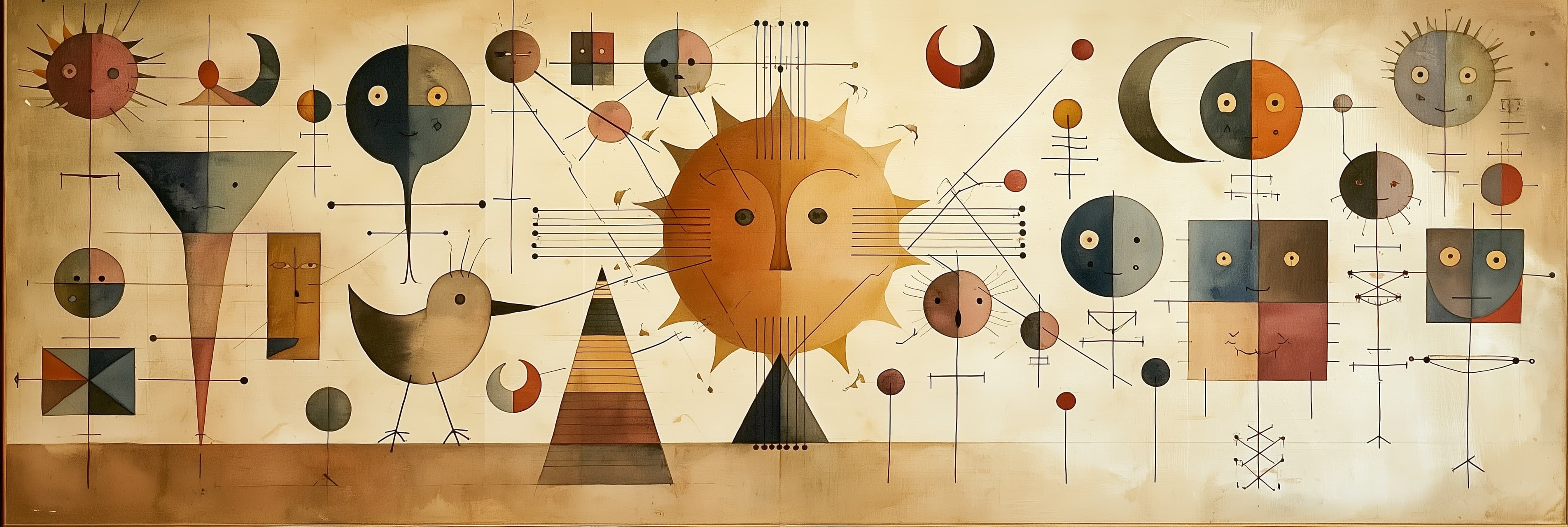
This section gathers my work supporting those who feel caught between care for their craft and the cost it can take on their bodies, minds, and inner lives. It is for those who sense that effort alone is no longer the answer, and who are looking for a way of working that allows expression to emerge with more ease, clarity, and trust.
Many artists learn to push through tension, doubt, or fear in order to create and perform. Over time, this can lead to chronic stress, bodily holding, or a persistent feeling of fighting oneself. What is often missing is not discipline or technique, but a different way of relating to what is happening inside.
Many artists learn to push through tension, doubt, or fear in order to create and perform. Over time, this can lead to chronic stress, bodily holding, or a persistent feeling of fighting oneself. What is often missing is not discipline or technique, but a different way of relating to what is happening inside.
My work offers a space to slow down and listen to these inner dynamics. Rather than trying to control or override difficult reactions, we learn to understand their function and create conditions for collaboration instead of inner struggle. From there, steadiness, confidence, and creative flow can become more accessible — not as something to force, but as something to allow.
A personal story
For years, I struggled with physical tension and stage fright. I practised slowly and attentively, yet whenever the stakes were high, the same pattern returned: tightness, shallow breathing, shaking hands, a sound that collapsed under pressure.
What changed this was not more technique. Through IFS, I began to relate differently to the inner reactions behind those moments. Instead of fighting them, I learned to listen to what they needed in order to soften.
What changed this was not more technique. Through IFS, I began to relate differently to the inner reactions behind those moments. Instead of fighting them, I learned to listen to what they needed in order to soften.
As that relationship shifted, my body reorganised itself. My breath deepened, tension eased, and my sound opened and steadied. Playing under pressure slowly started to feel possible again — not as a trick or strategy, but as a change in how my system understood safety.
A common inner dynamic: performance anxiety
Performance anxiety rarely comes from a single place. Usually, it arises from the interaction between at least two inner movements that appear under pressure.
One of them is a frightened part. It shows up in the body: a fast heartbeat, shaking, shallow breath, loss of steadiness or presence. These reactions tend to come automatically, without much choice, and can feel disproportionate to the situation at hand.
Alongside it, there is often another part — the one that cannot stand the fear. This part wants things to go well. It prepares thoroughly, monitors details, searches for strategies or explanations, and becomes deeply frustrated when fear keeps interfering with what you know you can do.
Many approaches to stage fright try to help from within this second position: strengthening control, adding techniques, managing symptoms. While well intentioned, this often reinforces an inner struggle — one part trying to overpower another.
With this work, we take a different route. Instead of asking the frightened part to calm down, we help the controlling part step back. This creates space for a different quality of attention, one that can meet fear with curiosity rather than urgency.
With this work, we take a different route. Instead of asking the frightened part to calm down, we help the controlling part step back. This creates space for a different quality of attention, one that can meet fear with curiosity rather than urgency.
When that happens, something shifts. The frightened part no longer needs to escalate to be heard, and the part that wants things to go well can support without pressure. What emerges is a system that works together — with less internal conflict and more available energy for performing as your best self.
How we work together
The work tends to move along two related axes that feed each other.
The first is healing work with the parts of you that have been carrying weight: the patterns of tension, fear, self-criticism, perfectionism, that get activated in moments of performing or creating, and whose roots often go back much further than the artistic work itself. We turn toward those parts with care, learn to understand what they have been protecting, and create the conditions for what they carry to begin to soften.
The second is learning to bring more Self-energy into the everyday life of an artist — into rehearsal, into the moments before stepping on stage, into the long hours of solitary practice, into the relationship with your instrument or your medium. Self is not a state to be achieved and maintained; it is a capacity that grows with attention, and becomes more reliably available the more we tend to it. Each session of inner healing tends to make Self more present in daily life; each moment of Self-led practice tends to soften the inner patterns from underneath.
PS. A note of hope
Creative work holds immense beauty, but it is often burdened by beliefs that cause real suffering. When everyone around us — mentors, colleagues, friends — struggles with similar anxieties, exhaustion, or perfectionism, that suffering can seem inevitable. Even necessary.
I do not believe this to be true. Creating from joy, peace, and safety is not only possible; it is our birthright. And the world needs us to bring that aliveness through our art.
I do not believe this to be true. Creating from joy, peace, and safety is not only possible; it is our birthright. And the world needs us to bring that aliveness through our art.
What you can work on here
- chronic stress
- bodily tension
- creative blocks
- stage fright
- anxiety
- self-defeating perfectionism
- difficulty accessing flow
- low self-esteem
- harsh inner criticism
- self-doubt
- procrastination
Free introductory session
One hour, online.
Prices
- ·Standard: 60 €/hour
- ·Sliding scale: reach out if you cannot afford this price. We will find a sustainable agreement.